£ 110.00
Interleukin-1 beta (IL-1β) is a potent pro-inflammatory cytokine that plays a central role in initiating and amplifying innate immune responses. It is primarily produced by activated monocytes, macrophages, and dendritic cells following recognition of pathogenic or danger signals. IL-1β is synthesized as an inactive precursor (pro-IL-1β) and requires cleavage by caspase-1 within the inflammasome complex to become biologically active.
IL-1β drives the expression of a wide array of inflammatory mediators, including chemokines, adhesion molecules, and other cytokines, promoting leukocyte recruitment and activation. It also acts on endothelial cells to enhance vascular permeability and supports the activation of tissue-resident immune cells.
Although IL-1β is a key component of the innate immune response, it also affects adaptive immunity by enhancing T cell activation and promoting the differentiation of Th17 cells. Its broad immunostimulatory effects make it a key cytokine in the regulation of inflammation and immune homeostasis.
IL-1β is widely used as a readout in immune assays evaluating inflammatory activation, innate immune signaling, and cytokine release.

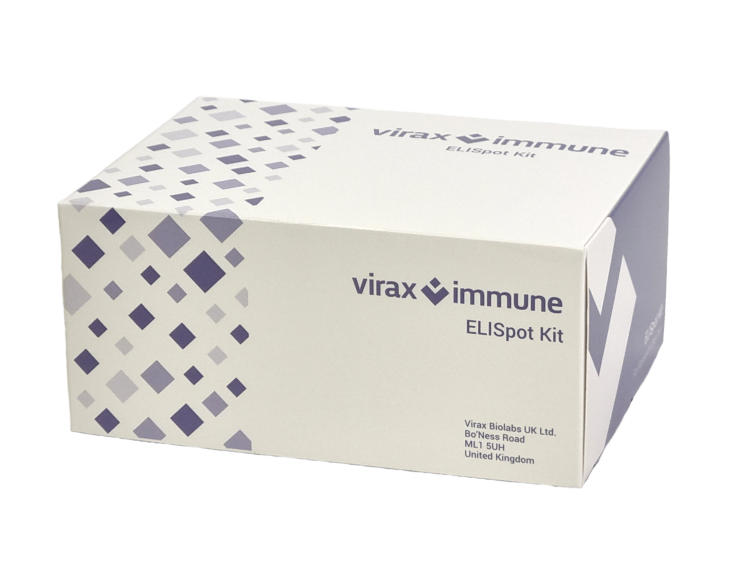
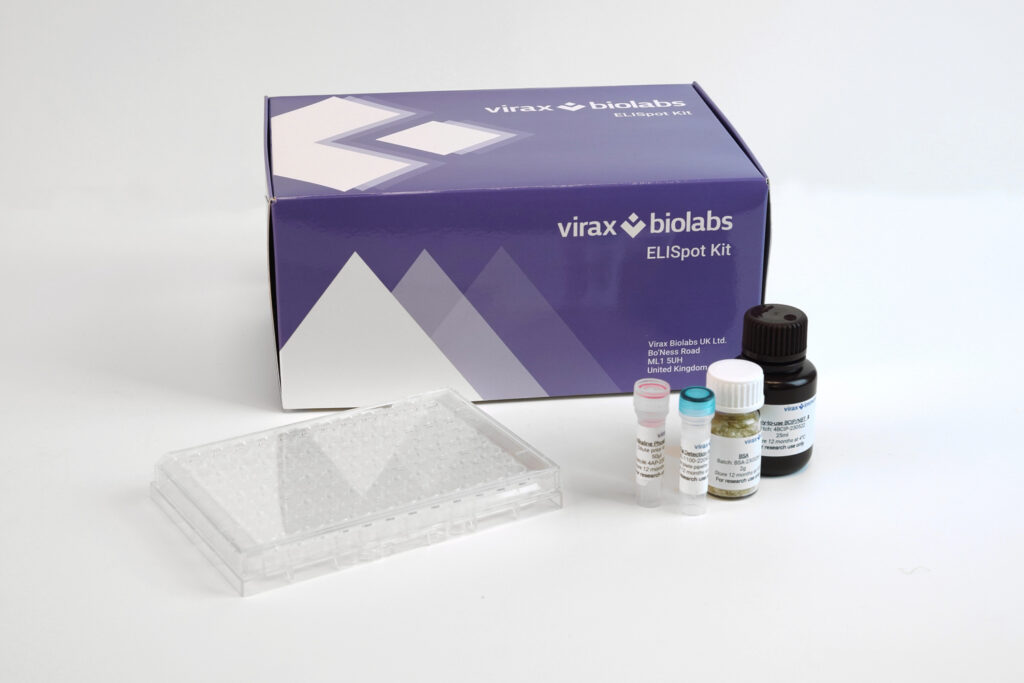
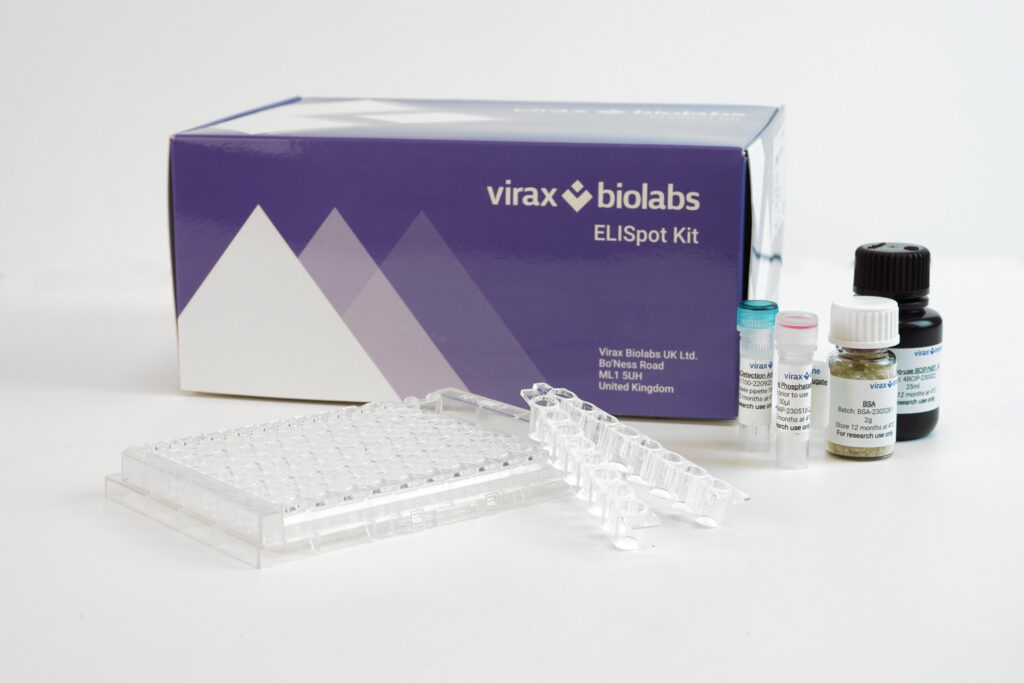
The Human IL-1β Enzyme-Linked ImmunoSpot (ELISpot) assay is a highly sensitive method used to detect and quantify individual cells that secrete specific cytokines or other soluble molecules. This assay is utilized in immunology to monitor cellular immune responses at the single-cell level and reliably detects and measures human IL-1β secretion by stimulated effector cells. Non-coated kits are a cost-effective choice that provide greater flexibility to support different experimental requirements.
Interleukin-1 beta (IL-1β) is a potent pro-inflammatory cytokine that plays a central role in initiating and amplifying innate immune responses. It is primarily produced by activated monocytes, macrophages, and dendritic cells following recognition of pathogenic or danger signals. IL-1β is synthesized as an inactive precursor (pro-IL-1β) and requires cleavage by caspase-1 within the inflammasome complex to become biologically active.
IL-1β drives the expression of a wide array of inflammatory mediators, including chemokines, adhesion molecules, and other cytokines, promoting leukocyte recruitment and activation. It also acts on endothelial cells to enhance vascular permeability and supports the activation of tissue-resident immune cells.
Although IL-1β is a key component of the innate immune response, it also affects adaptive immunity by enhancing T cell activation and promoting the differentiation of Th17 cells. Its broad immunostimulatory effects make it a key cytokine in the regulation of inflammation and immune homeostasis.
IL-1β is widely used as a readout in immune assays evaluating inflammatory activation, innate immune signaling, and cytokine release.
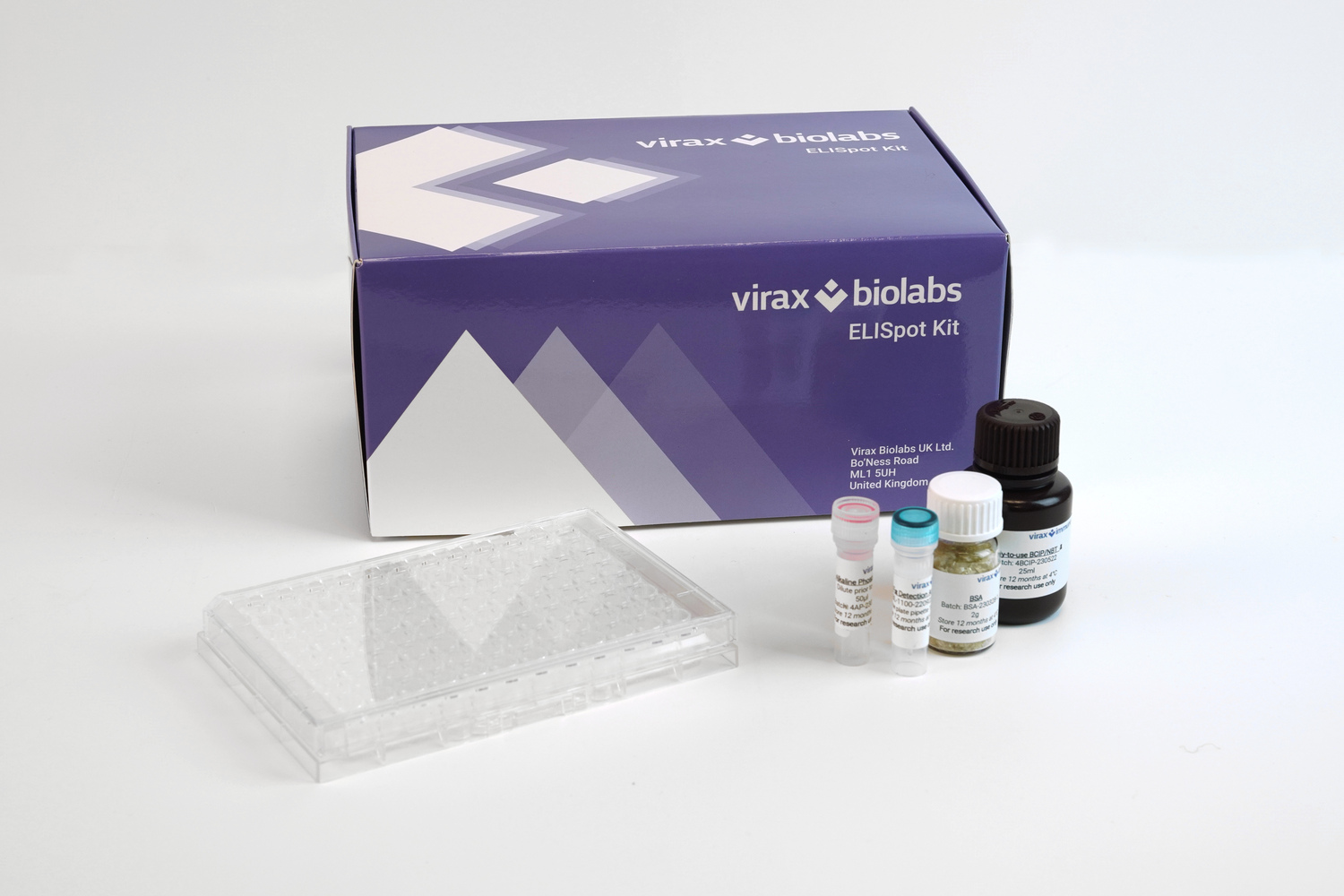
The Human IL-1β Enzyme-Linked ImmunoSpot (ELISpot) assay is a highly sensitive method used to detect and quantify individual cells that secrete specific cytokines or other soluble molecules. This assay is utilized in immunology to monitor cellular immune responses at the single-cell level and reliably detects and measures human IL-1β secretion by stimulated effector cells. Non-coated kits are a cost-effective choice that provide greater flexibility to support different experimental requirements.
Virax Biolabs develops and provides immunology-profiling solutions, with a focus on T cell diagnostics and immune monitoring. Their offerings include research-use products (e.g., peptide pools, ELISpot/FluoroSpot kits, high-affinity antibodies) as well as custom immunology services (such as recombinant antibody engineering, peptide synthesis and protein sequencing).
Virax Biolabs offers a comprehensive range of products to support immunology research and diagnostic development. Their primary product categories include pathogen-specific peptide pools that enable T cell stimulation and immune-response analysis, ELISpot and FluoroSpot kits designed for measuring cytokine secretion and other immune markers, and high-affinity antibodies suitable for use in assays such as ELISA, flow cytometry, and ELISpot. Together, these products provide researchers with precise tools for profiling immune responses in various disease and vaccine studies.
Virax Biolabs provides a range of custom immunology services to meet the diverse needs of academic and industry clients. These services include recombinant antibody engineering, which involves antigen discovery, sequencing, formatting, and bio-conjugation. They also offer custom peptide synthesis and protein sequencing using advanced mass spectrometry, as well as laboratory services that support ELISA, ELISpot, FluoroSpot, and flow cytometry assays. These custom services are designed to help researchers accelerate discovery and optimize immune-response studies.
Virax Biolabs primarily serves researchers and organizations engaged in immunology, infectious disease, and vaccine development. Their customer base includes academic laboratories, biotechnology companies, and pharmaceutical firms that require high-quality immune-profiling tools and diagnostic support. By providing both off-the-shelf research products and tailored immunology services, Virax Biolabs enables scientists to investigate T cell activity, evaluate vaccine efficacy, and develop new diagnostic platforms.
Virax Biolabs’ headquarters is located at BioCity Glasgow, Bo’Ness Road, Newhouse, Lanarkshire, ML1 5UH, United Kingdom. Inquiries can be made through the “Contact” section of their website at viraxbiolabs.com.
Many of Virax Biolabs’ products, including peptide pools and ELISpot kits, are intended for research use in immune-profiling and in-vitro studies. However, the company is also developing in-vitro diagnostic (IVD) platforms and T cell diagnostics for applications such as chronic inflammation and immune exhaustion. The intended use and regulatory status vary by product, so customers should refer to the specific product details or contact the company directly for clarification.